
The Power Of The Rider-Horse Combination
You can have the most extravagant moving horse in the world or a rider with Olympic-level feel, but if the two don’t fit, the magic never quite happens. Dressage is not about which one is better — it’s about how seamlessly the two dance together.
A true partnership is when the horse reads the rider’s body like a favourite book and the rider listens to the horse’s feedback as if it’s written in gold ink. You move from “I ask, you respond” to “we think it at the same time.” That’s when the work starts to look effortless — because it is.
Matching The Mechanics
Every rider carries a unique seat shape, leg length, reaction time, and natural rhythm. Every horse brings its own frame length, balance tendencies, and sensitivity. If you mismatch these, you can end up forever fighting.
For example, a horse with a naturally long wheelbase and low posture will need a rider who instinctively rides in a way that promotes balance in all four feet and shortens the horse’s wheelbase without over-restricting. A rider who rides “up” and “light” can help lift such a horse without ever letting it run out the front.
Conversely, a horse with a naturally short wheelbase and higher posture will need a rider who can ride in a way that encourages it to lengthen its frame without losing balance in all four feet. A rider who rides with a more grounded, stretching feel can help the horse stay connected over the back, allowing the wheelbase to lengthen while keeping the energy contained and recycling through the body.
Communication: More Than Aids
It’s not just what you ask — it’s how you ask it. The same aid can feel like a suggestion or a demand, depending on the seat and the horse’s personality. The greats know this: clarity builds trust, and trust builds expression.
We need to make sure the horse understands and enjoys your style.
The Shared Mental Game
A horse doesn’t just need to be physically capable; it has to be mentally available. And the rider has to be calm enough, sharp enough, and brave enough to use that availability without crushing it.
You can’t create brilliance by forcing it, only by allowing it. That means setting the horse up in the right balance and rhythm, so that the expression bubbles out naturally. To get there has many different routes. It’s important the rider and the horse want to take the same route.
Why the Right Combination Wins
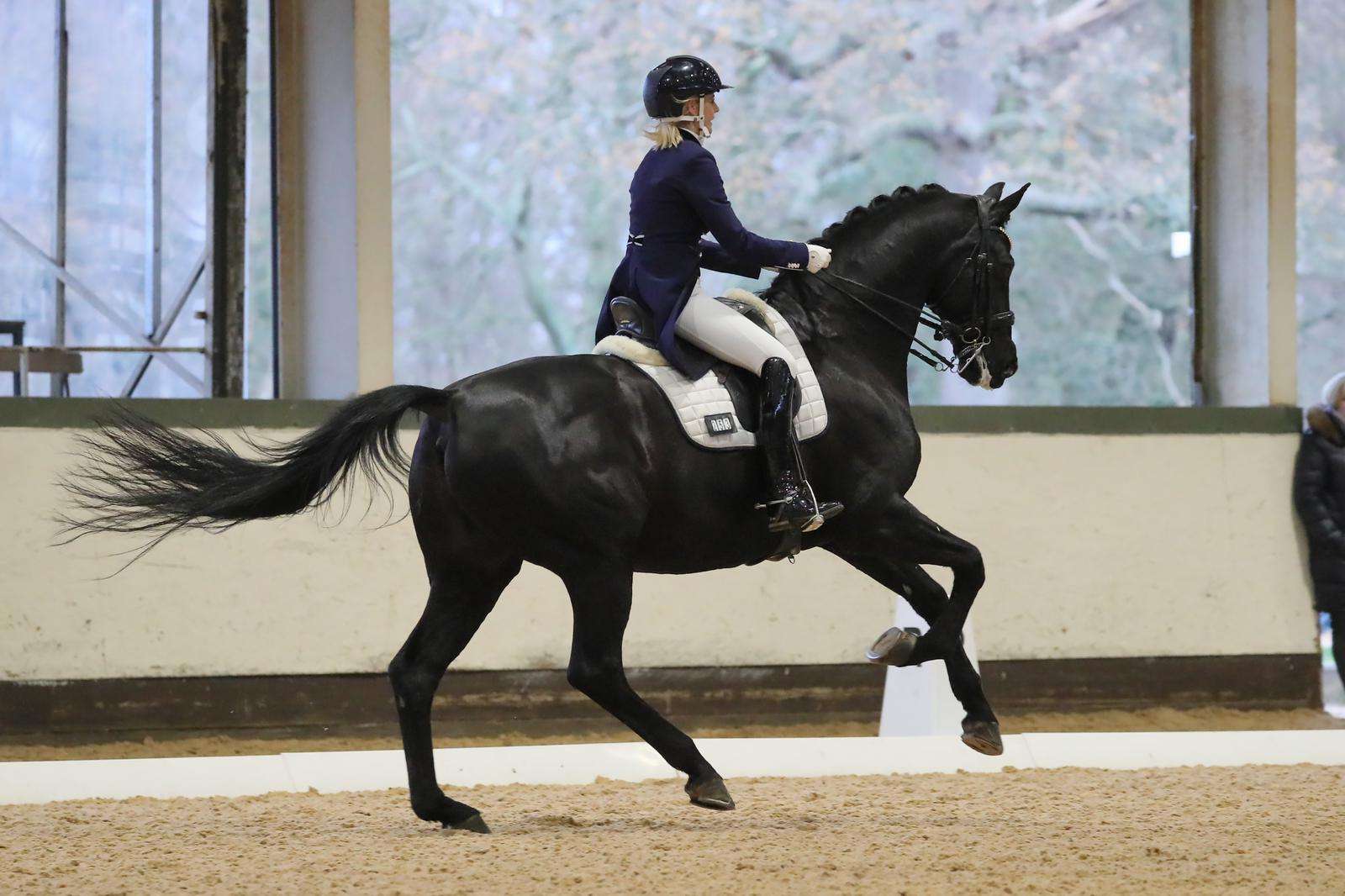
When horse and rider fit each other, balance in all four feet becomes second nature. Shortening the wheelbase no longer feels like a preparation — it’s simply how the pair travel – every step, in every gait. The rider’s timing slots perfectly into the horse’s moment of lift; the horse feels safe enough to push into that lift without tension.
This is why you sometimes see a less “fancy” horse beating a superstar — because the partnership is more harmonious. The aids are invisible, the balance is constant, and both are in sync with the same goal.
The Takeaway
A rider without the right horse can still train well, and a horse without the right rider can still progress. But when the combination is right, everything is easier — from the first trot transition to the most complex piaffe-passage work.
It’s not about compromise. It’s about complement. And once you’ve felt that kind of fit, you’ll spend the rest of your riding life chasing it — because it’s where the sport stops being just sport and starts becoming art.

Leave A Comment
You must be logged in to post a comment.